Look the part. Sound like the answer.
A brand is more than a logo. It is what your business says, and whether that makes anyone buy. We build you a voice that sells and the look to back it up, delivered as a brand guide you own.
One project, one price. You own every file at the end.
People see your business before they hear you out.
Nobody decides to look homemade. It happens one rushed decision at a time, because there is always something more urgent than your own brand. If you have caught yourself thinking any of these, you are exactly who this is for.
I felt like I couldn't speak about my business with people unless I had something to hand them.
A voice that sells, and a look that makes it believable.
Not a logo file and good luck. The words come first, because the message is what converts. Then the look gets built to carry it.
A voice that sells
Messaging built on the StoryBrand framework, where your customer is the hero and you are the guide. It leads with their problem, not your history, because their problem is what they are buying an answer to.
A one-liner you can say out loud
One sentence that makes what you do instantly clear. It works in conversation, on your site, on your card, and in every profile you keep.
A look that earns trust
A logo and its variations, a color palette, and a typography system, designed to make the message believable and delivered for both print and web.
A brand guide you own
One document that holds the voice and the look together, so a future designer, printer, or website builder can work from it without guessing.
From nothing to hand out, to this.
Adrian Kaali started an insurance business with nothing to hand people, and the cards his agency offered looked, in his words, more like a newsletter. This is what he hands people now.
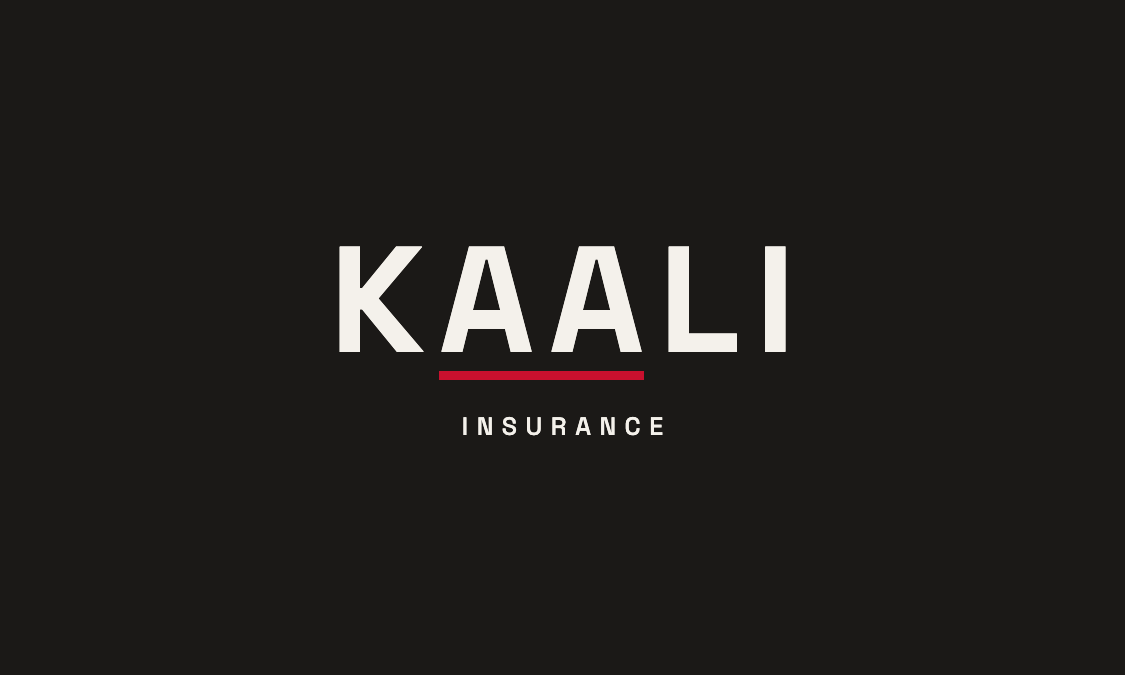
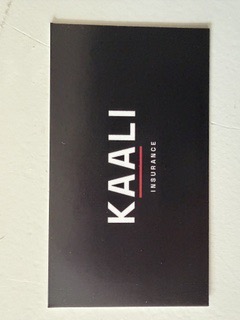
The agency was going to provide me business cards. I took one look at them and knew I needed help. It looked more like a newsletter than a business card. Within 10 days of our first communication, I had business cards to hand out.
I've seen good work lose to better packaging.

People judge your business before they ever talk to you, and it is a frustrating way to lose, because it has nothing to do with how good you are at your job. That is the problem I solve for small business owners: contractors, health and wellness practices, financial services providers, and makers. The work is different every time. The problem is the same. The business is better than it looks, and a brand guide is the fastest way I know to close that gap.
Three steps, and most of it is a conversation.
A few good questions get things started, but they are never the whole process. Every step gives you something real to react to, which is where the good decisions come from.
We Talk
A free conversation about your business, who it serves, and what you want people to feel when they come across it.
We Design
You get real directions to choose between, then we refine your favorite until the message, logo, colors, and type all feel like you.
You Own It
Everything arrives as a brand guide plus every file, under your name and in your hands. Order business cards that afternoon if you like.
The brand guide is where every build starts.
People rarely choose the best business. They choose the one they can understand the fastest. That is the idea underneath the StoryBrand framework, and it is why the brand guide starts with words rather than pictures. A clear message is not a nicety. It is the part of your brand that actually converts, and the design exists to make it believable.
It is also why the guide comes before the website. A website is a few hundred design decisions. What color is this button, which typeface is this heading, what do we say first. Without an agreed voice and message, every one of those gets debated on its own, and the result looks assembled rather than designed. The brand guide makes those decisions once, in the right order, before anything expensive depends on them.
It also outlives any single deliverable. The same document drives your website, your business cards, your social profiles, and whatever you print next year. Whoever touches your marketing next, including a designer you have not met yet, starts from the same page instead of from a guess.
We don't build websites without one
Every website Brand Traction builds starts from a brand guide, either yours or one we build first. That is a policy, not an upsell. It is the difference between a site that looks designed and a site that looks decorated.
If you already have a brand guide you like, we skip this entirely and build from yours. You are never sold a second one.
One project, one price.
No retainer, no subscription, nothing to cancel. You pay once, and everything the project produces belongs to you.
Your identity, designed, documented, and handed over.
One time
- StoryBrand messaging, including your one-liner
- A logo and its variations, for print and web
- A color palette and typography system
- The brand guide document that holds it all
- You own every file, no license strings
Building a website too? You start here anyway.
The brand guide is the first phase of every site we build, so bundling saves you the seam: a brand plus a starter site is $2,000, and a brand plus a business site of up to eight pages is $3,500. Larger sites and e-commerce get a custom quote before anything starts. The guide is not an add-on to the website. It is the foundation the website gets built on.
Everything you'd want to know first.
The scope, the timeline, and the things people usually ask on a first call. If something isn't here, ask and we'll tell you straight.
What does a brand identity project include?
A brand identity project at Brand Traction produces a logo and its variations, a color palette, a typography system, and the messaging that explains what you do. The messaging is built on the StoryBrand framework, which means leading with your customer's problem rather than your company history, and it produces a one-liner you can use in conversation, on the site, and in every profile you keep.
Those pieces arrive as a brand guide you own outright, so a future designer or printer can work from it without guessing. Brand identity can be the whole engagement, or the first phase of a website build. It comes first either way, because design decisions that aren't anchored to a clear message tend to get relitigated later. If you already have a brand guide you like, we skip this and use yours.
How long does it take?
The design work moves quickly. The calendar is mostly set by decisions: which direction you pick, how fast feedback comes back, and how sure you are about what you like. When those come easily, the whole thing is fast. Kaali Insurance went from first conversation to printed business cards in ten days, and the client's own note about the one delay was that it was on his end, deciding between fonts and colors.
That is the honest shape of every branding timeline: the work is rarely the slow part. You will never be the one waiting on us for long, we keep the number of decisions small, and beyond a few starting questions you are reacting to real options rather than filling out homework. If you have a hard date, a launch or an event, say so in the first conversation and we plan backward from it.
What do I actually receive at the end?
Two things: the files and the guide. The files are your logo in every variation you are likely to need, sized and formatted for both print and web, in versions for light and dark backgrounds. The guide is a single document that records the whole identity: the logo and its rules, the exact color values, the typefaces and how they pair, and your messaging, including the one-liner.
Everything is yours outright, under your own name, with no license strings and nothing hosted somewhere you cannot reach. That matters more than it sounds like it should. A logo file alone leaves the next printer or designer guessing, and the guesses are what make a brand drift. The guide is what lets someone you have never met produce something that still looks like your business.
What if I already have a logo?
Then we start from what is working. Sometimes the logo is genuinely good and the problem is everything around it: no consistent colors, no set typefaces, no message, so every new piece is improvised and the whole thing reads as scattered. In that case we keep the logo and build the system around it.
Sometimes the logo is the problem, and the kindest thing is to say so and show you what a refresh would look like next to the original. Either way you are not paying to have work you like thrown away. And if you already have a complete brand guide from a previous designer, we do not sell you a second one. We use yours, and that applies to website builds too.
Do I need this if I just want a website?
Every website Brand Traction builds starts from a brand guide, either one you already have or one we build first. That is a policy, not an upsell, and the reason is practical: a website is a few hundred design decisions, and without an agreed identity and message, each one gets debated on its own and the result looks assembled rather than designed.
Bundled with a site, the numbers are $2,000 for a brand plus a starter site and $3,500 for a brand plus a business site of up to eight pages. Larger sites and e-commerce get a custom quote before anything starts. The guide also outlives the website. It is the same document your social profiles, your print work, and your next designer all work from, which is why it comes first.
Can you design my business cards and other print pieces?
Yes. Print-ready artwork is the natural next step once the identity exists, and business cards are usually the first thing a new brand needs in hand. For Kaali Insurance, the cards were designed alongside the identity and were ready to print the week the brand was delivered.
Anything beyond the brand guide itself is quoted before it starts, so there is never a surprise on an invoice, and small pieces like a card are quick precisely because the guide already made the decisions: the colors, the type, and the logo treatment are settled, so the design work is placement rather than invention. You order the printing yourself, under your own account, which keeps you in control of quantity, paper, and reorders.
Want to talk it through?
A free conversation about your business, what you need, and whether this is the right fit. If it isn't, we'll say so.
One project, one price. You own every file at the end.